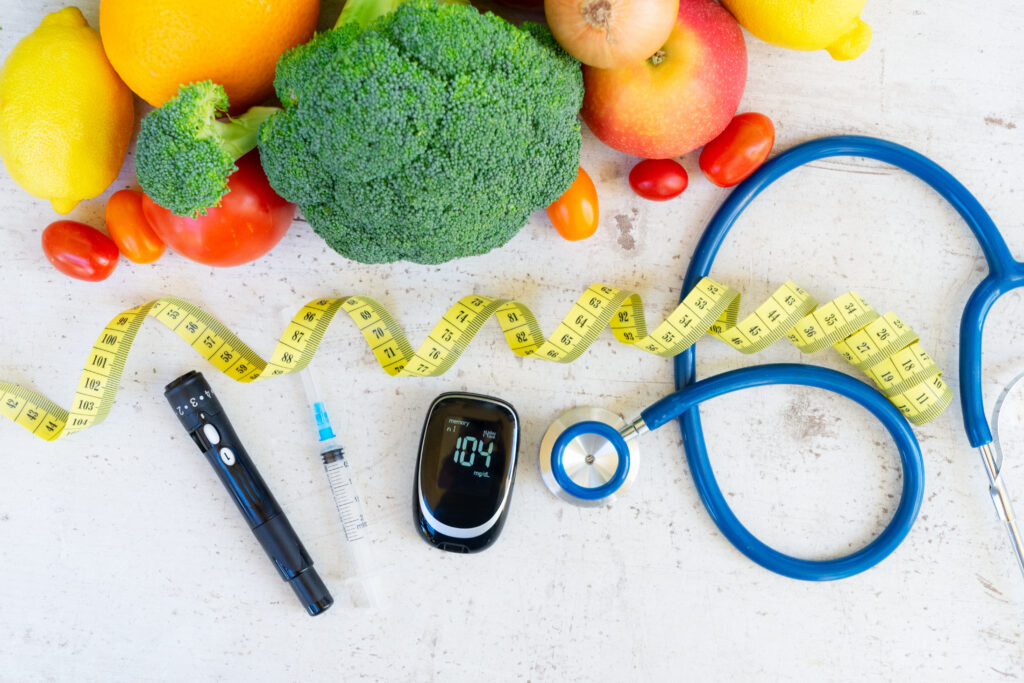
Each year in March, the American Diabetes Association observes Diabetes Alert Day on the fourth Tuesday of the month. In 2026, it falls on March 24 and serves as an important reminder to learn about diabetes symptoms and prevention. This annual awareness initiative encourages people to understand their risk for type 2 diabetes and take steps that support long-term health.
Diabetes affects millions of people in the United States, and many individuals may not realize they have it. In fact, more than 20% of adults living with diabetes do not know they have the disease, which is why education about diabetes symptoms and prevention is so important.
Understanding the early warning signs, healthy lifestyle habits, and when to seek medical care can help people better manage their health and reduce potential complications.
Recognizing Diabetes Symptoms
Learning to recognize diabetes symptoms and prevention strategies begins with understanding the warning signs. According to the American Diabetes Association, symptoms of diabetes may include:
- Frequent urination
- Feeling very thirsty
- Feeling very hungry even after eating
- Extreme fatigue
- Blurry vision
- Cuts or bruises that heal slowly
- Unexplained weight loss (more common in type 1 diabetes)
- Tingling, pain, or numbness in the hands or feet (more common in type 2 diabetes)
Some people with type 2 diabetes may experience symptoms that are mild or difficult to notice, which makes awareness and routine medical care especially important.
Diabetes Symptoms and Prevention Through Healthy Lifestyle Habits
Healthy habits can play an important role in supporting overall wellness and reducing the risk of developing type 2 diabetes. Many prevention strategies focus on everyday lifestyle choices.
Examples of healthy habits that support diabetes symptoms and prevention awareness include:
Staying Physically Active
Regular physical activity can support overall health and help maintain healthy blood sugar levels. Health experts often recommend incorporating movement into daily routines, such as walking, stretching, or participating in other moderate physical activities.
Making Balanced Food Choices
A balanced diet can support healthy blood glucose levels. Consider including:
- Fruits and vegetables
- Whole grains
- Lean protein sources
- Foods lower in added sugars and saturated fats
Eating balanced meals and maintaining healthy portion sizes can support long-term health.
Maintaining a Healthy Weight
For individuals at risk for type 2 diabetes, maintaining a healthy weight can help lower the chance of developing the condition. Lifestyle programs focused on diet and exercise have been shown to help delay or prevent type 2 diabetes in some people.
Why Diabetes Alert Day Matters
Diabetes Alert Day encourages individuals to take a moment to learn their risk factors and recognize potential symptoms. Early detection and awareness can help reduce the risk of complications related to diabetes, including heart, kidney, and eye disease.
The American Diabetes Association also encourages people to take a simple risk assessment test to better understand their personal risk for type 2 diabetes.
Raising awareness about diabetes symptoms and prevention helps individuals make informed decisions about their health and encourages conversations with healthcare providers when concerns arise.
Supporting Diabetes Awareness at Mahnomen Health
At Mahnomen Health, we believe education and awareness play an important role in helping individuals make informed decisions about their health. Diabetes Alert Day serves as a reminder to learn about risk factors, recognize possible symptoms, and talk with a healthcare professional if you have concerns.
By learning more about diabetes symptoms and prevention, individuals and families can take steps toward healthier lifestyles and improved well-being.