Senior self-sufficiency at home starts with a few things this fall, such as getting a flu shot early in the season, building a few consistent self-care habits, knowing which local resources are available for extra support, and watching for the hazards that come with cooler weather. For older adults in Mahnomen County who want to keep living independently, September is a good time to put these pieces in place before winter sets in. None of it requires a big overhaul, just a few small steps taken now.
Why Does Flu Season Matter for Healthy Aging?
Flu season typically starts in October and runs through the following spring. It affects older adults harder than almost any other group. According to the CDC, people 65 and older face the highest risk of serious flu complications each season, including a majority of flu-related hospitalizations and deaths, largely because the immune system naturally weakens with age. That’s exactly why an early flu shot matters more for seniors than it might for a younger, healthier individual.
The CDC recommends getting vaccinated in September or October, before the flu season picks up and sickness arises in the community. Whether you get your flu shot through your primary care provider, local pharmacy, or a community clinic, the earlier it’s on the calendar, the better protected you’ll be heading into the colder months. If you’re not sure where to start, Mahnomen Health’s care team can help point you in the right direction.
What Self-Care Steps Help Seniors Stay Healthy at Home?
Staying healthy usually comes down to a few consistent habits.
A few habits worth building into your routine:
- Keep up with regular checkups and screenings, even when nothing feels wrong, because many conditions are easier to manage when caught early
- Stay on top of medications, including refills, and ask your pharmacist any questions you may have about medication interactions
- Eat regular, balanced meals
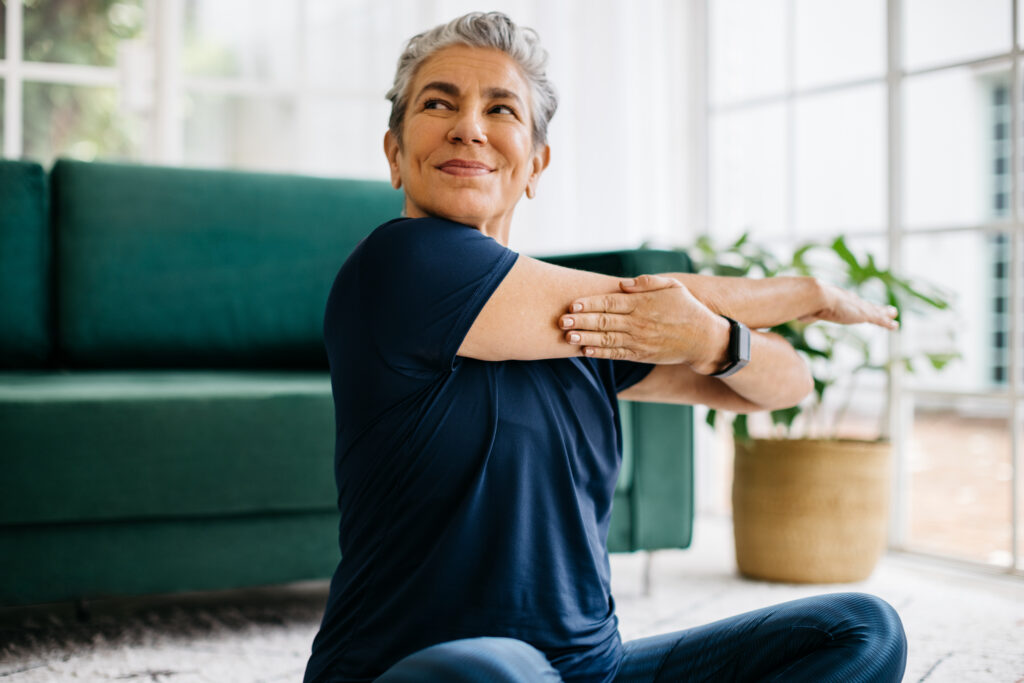
- Stay physically active in ways that fit your ability, including short walks or light stretching to help with balance and fall prevention
- Stay socially connected, since isolation can affect both mood and physical health
- Keep your home well lit and clear of clutter to reduce fall risk as days get shorter
None of these requires a major lifestyle change. They’re small habits that fit into an existing routine, but consistency is key to making a difference. For more everyday habits that help the whole household stay ahead of colds and the flu, see our blog on staying healthy during the winter.
What Resources Help Seniors Stay Self-Sufficient at Home?
Senior self-sufficiency doesn’t mean doing everything alone. It’s about knowing when to ask for help and knowing where to get it. Mahnomen and Norman Counties offer several programs built specifically to help older adults stay safely in their own homes.
Depending on individual needs, that support can include:
- Home health nurse visits and personal care assistance through county public health services through Norman-Mahnomen Public Health, at (218) 935-2527
- Homemaker and chore services for housekeeping, yard work, and light home maintenance
- Home-delivered meal programs through Meals on Wheels, run locally by Lutheran Social Service of Minnesota, at (800) 488-4146
- Medical transportation and emergency call systems through Norman-Mahnomen Public Health
- Senior companion services for regular check-ins and companionship
- Case management to help sort out which programs someone actually qualifies for
You don’t have to figure out which program fits on your own. A quick call to Norman-Mahnomen Public Health or to our team at Mahnomen Health is a good place to start. We can help direct you to the right resource for your situation, whether that’s Meals on Wheels, home health, or personal care.
What Fall Hazards Should Seniors Watch For at Home?
Cooler weather brings its own set of risks, and a few of them deserve extra attention when you’re living independently. A few fall-specific hazards are worth planning for now, before the first hard frost or snow. Wet leaves and early frost make steps, porches, and driveways more slippery than they appear. A fall that might have been minor at 40 can mean a fracture and a long recovery later in life. According to the National Institute on Aging, older adults are also more vulnerable to hypothermia than younger people, and it can happen indoors as well as outside. A home kept below 68 degrees can put an older adult at risk without ever stepping outside.
A few ways to reduce fall-specific risk around the house:
- Clear leaves and debris from steps and walkways regularly
- Keep indoor temperatures at 68 degrees or warmer
- Have your furnace or chimney inspected before cold weather comes
- Check that carbon monoxide and smoke detectors have working batteries
- Add extra lighting near entryways and stairs
- Keep a sweater or blanket within reach
Small proactive preparations can prevent a fall or a cold house from turning into a bigger problem later.
Stay Self-Sufficient This Fall
Staying self-sufficient this fall doesn’t have to feel complicated. A flu shot, a few daily habits, knowing who to call for extra help, and a little home prep for colder weather cover most of what matters. Mahnomen Health is a Level IV Trauma and Stroke Center with a 24-hour emergency department, but when it comes to staying healthy, most of that happens long before you need this level of care.
If you ever need care, you can learn more on our Mahnomen Health Emergency Services page, or call (218) 935-2511. For accidents, our ambulance service provides 24/7 advanced life support response, and in an emergency, calling 911 is always the fastest way to get help on the way. This is a community that shows up for its seniors, and Mahnomen Health is part of that, too.