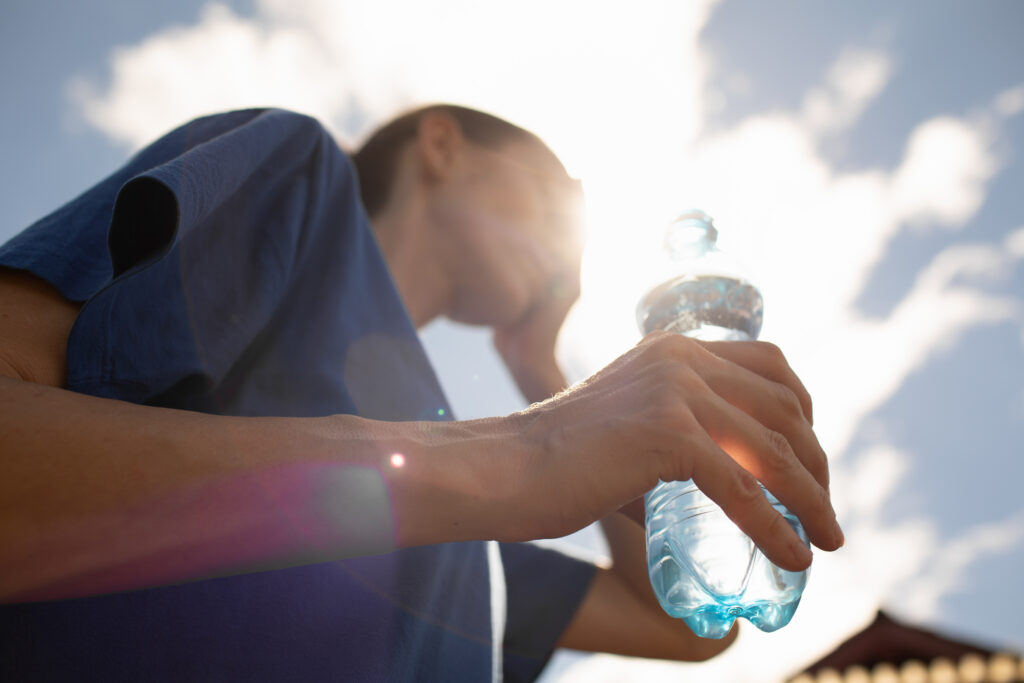
July is one of the hottest months of the year in Minnesota, and it’s also one of the busiest for outdoor activities. Whether you’re spending the day at the lake, working outside, attending a local festival, or cheering from the sidelines at a ball game, the summer heat can catch up with you faster than you expect. Knowing the difference between heat exhaustion and heat stroke can help you recognize when someone needs to cool down and rest and when they need emergency medical care. While heat exhaustion can often be treated if it’s recognized early, heat stroke is a life-threatening emergency that requires immediate attention. Understanding the warning signs can help you protect yourself or someone else during Minnesota’s hottest days.
Why Does Heat-Related Illness Happen?
Your body naturally cools itself by sweating. As sweat evaporates, it helps lower your body temperature. During hot or humid weather, however, that cooling system has to work much harder. If you lose too much fluid through sweating or your body can’t cool itself effectively, your temperature can rise to dangerous levels. According to the CDC, heat-related illnesses range from milder conditions like heat cramps to more severe conditions like heat exhaustion and heat stroke. Heat-related illness can develop more quickly than many people realize, especially during periods of high humidity, prolonged sun exposure, or physical activity.
What Is Heat Exhaustion?
Heat exhaustion is your body’s warning sign that it’s struggling to keep up with the heat. It usually happens after spending time in high temperatures or being physically active without replacing the fluids and electrolytes your body loses through sweat. Symptoms can include heavy sweating, dizziness, muscle cramps, headaches, nausea, unusual fatigue, cool or clammy skin, or feeling faint. If you start noticing these signs, don’t try to push through them. Getting out of the heat, cooling down, and drinking fluids can often prevent the situation from worsening. Heat exhaustion can usually be treated when it’s recognized early, but if symptoms worsen or don’t improve, it can progress to heat stroke, which requires immediate medical care.
What Is Heat Stroke?
Heat stroke is the most serious form of heat-related illness. It happens when your body’s temperature rises to 104°F or higher and it can no longer cool itself effectively. Unlike heat exhaustion, heat stroke is a medical emergency that requires immediate treatment. Without prompt medical care, it can damage the brain, heart, kidneys, and other organs.
Signs of heat stroke may include:
- A body temperature of 104°F or higher
- Hot, red skin that may be dry or slightly damp
- Confusion or unusual behavior
- Slurred speech
- Seizures
- Loss of consciousness
- A rapid, strong pulse
If you suspect someone is experiencing heat stroke, call 911 immediately. While waiting for emergency responders, move the person to a cooler location and begin cooling them with cold towels, cool water, or, if available, ice packs placed on the neck, armpits, and groin. Do not give fluids if the person is unconscious or unable to swallow safely.
How Can You Tell the Difference?
The biggest difference between heat exhaustion and heat stroke is how the body responds to heat. With heat exhaustion, a person is often still sweating and may complain of dizziness, weakness, nausea, or muscle cramps. Although they feel ill, they are usually alert, and their symptoms often improve after moving to a cooler place, drinking fluids, and resting. Heat stroke is much more severe. A person may become confused, have difficulty speaking, lose consciousness, or experience seizures. Their body temperature rises dangerously high, and immediate emergency medical treatment is critical. If you’re unsure which condition someone is experiencing, it’s always safest to seek medical attention. Heat-related illnesses can worsen quickly.
What Should You Do if Someone Has a Heat-Related Illness?
The first step is to move the person out of the heat and into a cool, shaded, or air-conditioned place. If they are awake, alert, and able to swallow safely, encourage them to sip cool water or a sports drink. Loosen or remove excess clothing, and help lower their body temperature by applying cool, wet towels, using a fan, or placing cool compresses on the skin. If the person’s symptoms improve after cooling down, they are likely experiencing heat exhaustion. Even so, they should continue to rest and drink fluids. If symptoms last longer than an hour, worsen, or they are unable to keep fluids down, they should be evaluated by a healthcare provider.
If the person becomes confused, difficult to wake, loses consciousness, has a seizure, develops hot, red skin, or has a body temperature of 104°F or higher, call 911 immediately. These are signs of heat stroke, which is a medical emergency. While waiting for emergency responders, continue cooling the person with cold towels, cool water, or, if available, ice packs placed on the neck, armpits, and groin. Do not give fluids to someone who is unconscious or unable to swallow safely.
Who Is Most at Risk?
Although anyone can develop a heat-related illness, certain people are more likely to become seriously ill.
Higher-risk groups include:
- Adults age 65 and older
- Infants and young children
- People with heart disease, diabetes, or other chronic medical conditions
- Outdoor workers
- Athletes
- People taking certain medications that affect hydration or body temperature
Checking on neighbors, friends, and family members during periods of extreme heat can help prevent emergencies, especially for older adults who may not have air conditioning or may not recognize early symptoms.
Tips to Stay Safe During Hot Weather
Many cases of heat-related illness can be prevented with a little planning before you head outdoors. One of the most important things you can do is stay hydrated by drinking water regularly throughout the day, even if you don’t feel thirsty. If you’re spending several hours outside or being physically active, take breaks in the shade or an air-conditioned space to give your body a chance to cool down. Choosing lightweight, loose-fitting, and light-colored clothing can also help your body regulate its temperature more effectively. Whenever possible, schedule outdoor work, exercise, or other strenuous activities during the cooler morning or evening hours instead of the hottest part of the day. Wearing sunscreen is another simple step that helps protect your skin, since sunburn can make it harder for your body to cool itself.
During periods of extreme heat, pay close attention to local weather forecasts and heat advisories. Check on older family members, neighbors, and others who may be more vulnerable to heat-related illness, and never leave children, older adults, or pets in a parked vehicle, even for a few minutes. Taking these precautions can go a long way in helping you enjoy Minnesota’s summer safely.
Recognize the Signs and Act Quickly
Heat-related illnesses can develop quickly, but recognizing the warning signs early can make a significant difference. Understanding the difference between heat exhaustion and heat stroke helps you recognize when cooling and hydration may be enough and when emergency medical care is needed. If you or someone you love experiences symptoms of heat-related illness, don’t ignore them. The healthcare team at Mahnomen Health is here to provide prompt, compassionate care when you need it, helping you stay safe throughout the summer.